How to keep cut flowers fresh
Published
Cut an inch off each stem at an angle, strip any leaves below the waterline, and stand the flowers in a clean vase of cool water with flower food. Change the water and recut the stems every two days, and keep the vase away from sun, heat and ripening fruit. True lilies can cause fatal kidney failure in cats. If the flowers arrived damaged, photograph them before you cut anything.
Damaged on arrival? Photograph it before you recut.
Show the flowers as delivered, with the card and packaging, and keep them until we resolve your claim. Email hello@whimsyblooms.com within 48 hours after the scheduled delivery day. The full rules are in Delivery and substitutions and Refunds, Cancellations and Substitutions Policy.
Recut the stems. Take about an inch off each stem at an angle with a sharp knife or clean shears. Crushed or sealed stem ends drink poorly.
Strip the low leaves. Remove every leaf that would sit under the water. Submerged leaves rot and feed the bacteria that block stems.
Use a clean vase and flower food. Wash the vase with soap and hot water, fill it with cool water, and stir in the flower food packet if one came with the flowers.
Pick a cool spot. Keep the vase out of direct sun and away from radiators, heat vents and fruit bowls. Ripening fruit gives off ethylene gas, which ages flowers faster.
Refresh every two days. Pour out the old water, rinse the vase, refill it, and recut the stems. Pull out any flower that has faded so it does not spoil the rest.
Each note covers the flowers it names. The greenery and seasonal fillers vary with the season and are not covered here.
- Garden roses
- Peonies
- Tulips
- Ranunculus
- Sunflowers
- Lilies
- Hydrangeas
- Anemones
- Dahlias
- Chamomile and cornflowers (Meadow Mix)
Garden roses
Pull off any leaves and thorns that would sit under the water. If a head droops, recut the stem and stand it in cool water.
Eucalyptus is toxic to cats and dogs. The roses are not. Chewing the eucalyptus in this bouquet can cause drooling, vomiting, diarrhea, lethargy and weakness.
Shop Garden RosesPeonies
They often arrive as tight buds and open in a day or two at room temperature.
Toxic to cats and dogs. Eating the plant can cause vomiting, diarrhea and lethargy.
Shop Peonies and RosesTulips
They keep growing in the vase and bend toward light. Give them a tall vase with a few inches of cool water and turn it every day.
Toxic to cats and dogs. Chewing tulips can cause vomiting, diarrhea and drooling. The bulb holds the most toxin, but keep the cut stems and flowers out of reach too.
Shop Spring TulipsRanunculus
Their hollow stems bruise easily, so recut them with a sharp blade. The tight buds open over several days.
Toxic to cats and dogs. Chewing ranunculus can cause vomiting, diarrhea, drooling, mouth sores, loss of appetite, lethargy and a wobbly walk.
Shop RanunculusSunflowers
Their heads are heavy. Use a tall, weighted vase and keep the water topped up, because they drink quickly.
Sunflowers are not toxic to cats or dogs.
Shop SunflowersLilies
They drop pollen that stains cloth and skin. Pull off the orange, pollen-covered tips (the anthers) as the flowers open.
Shop White LiliesCan cause fatal kidney failure in cats
The lilies in the White Lilies bouquet are true lilies (Lilium candidum). The ASPCA list gives this warning for true lilies (Lilium) and daylilies (Hemerocallis). Every part is poisonous to cats, including the pollen and the vase water. A bite of a petal or pollen licked off fur is enough. If a cat may have touched a lily, take it to a vet at once.
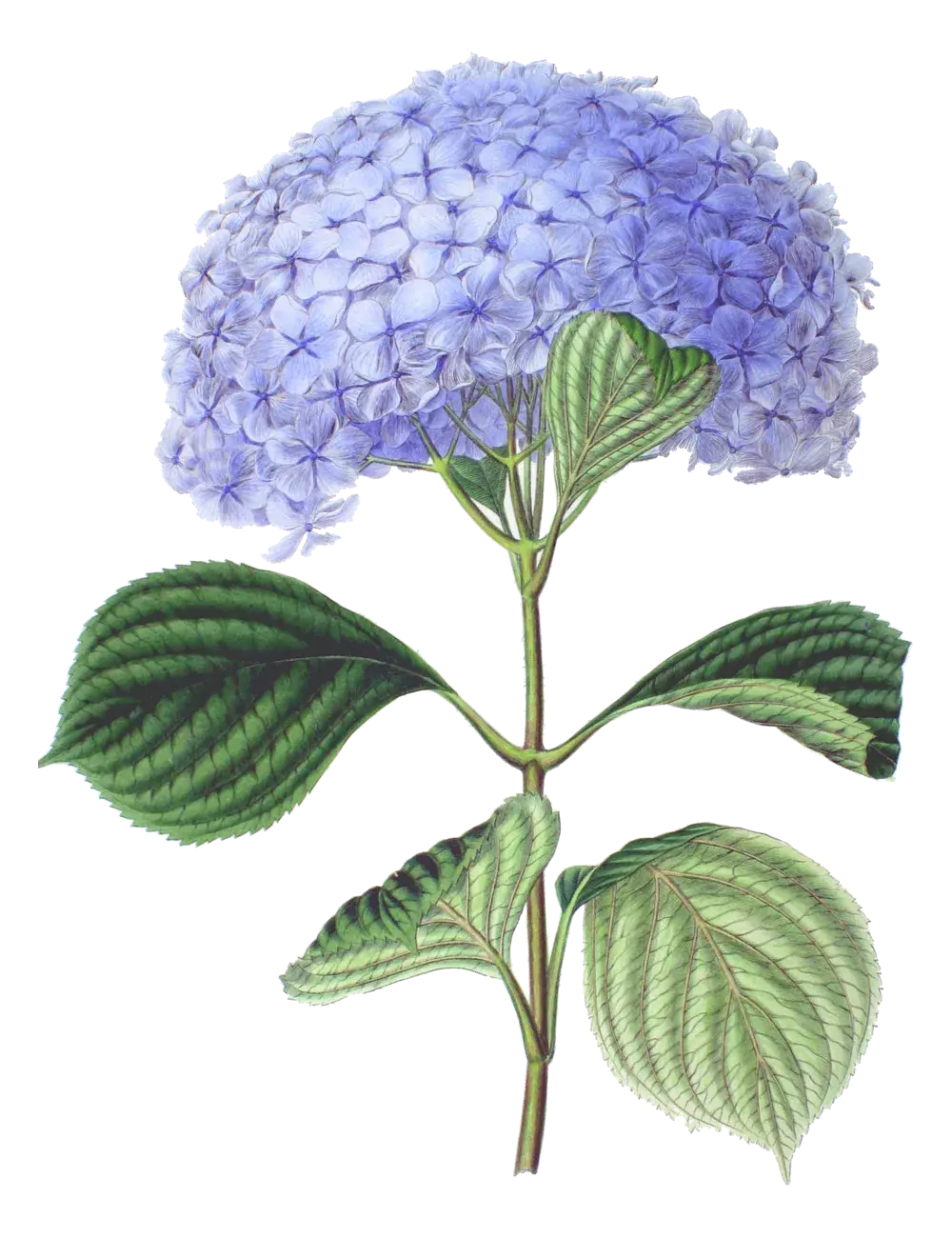
Hydrangeas
They take up water through their petals as well as their stems. If a head wilts, submerge it in cool water for about 30 minutes, then recut the stem.
Toxic to cats and dogs. Hydrangeas contain a compound that can release cyanide. Eating them usually upsets the stomach, with vomiting, diarrhea and lethargy; cyanide poisoning is rare.
Shop HydrangeaAnemones
The flowers open in daylight and close at night. Recut the stems when you change the water.
Ranunculus is toxic to cats and dogs. This bouquet mixes anemones with ranunculus, which can cause vomiting, diarrhea, drooling, mouth sores, loss of appetite, lethargy and a wobbly walk. The ASPCA list does not cover anemones, so keep them out of reach too.
Shop AnemonesDahlias
They drink heavily. Check the water level every day and top it up.
Toxic to cats and dogs. Chewing them can cause a mild stomach upset, and the plant can mildly irritate skin.
Shop DahliasChamomile and cornflowers (Meadow Mix)
The fine stems fade at different times, so pull each one out as it goes to keep the rest fresh.
Chamomile is toxic to cats and dogs. The cornflowers are not. Chewing the chamomile can cause vomiting, diarrhea, loss of appetite and allergic reactions, and touching it can irritate skin.
Shop Meadow Mix
If a pet chews a plant marked toxic here, or one you cannot name, call your vet.
Pet toxicity from the ASPCA Animal Poison Control plant list
Phalaenopsis orchids
Bright, indirect light. Water when the potting mix is nearly dry, then let the pot drain fully.
Phalaenopsis orchids are not toxic to cats or dogs.
Shop Phalaenopsis OrchidEcheveria
The brightest window you have. Water only when the soil is dry all the way through.
Echeveria is not toxic to cats or dogs.
Shop Echeveria TrioBoston ferns
Indirect light and soil that stays lightly moist. They like humidity, so a bathroom with a window suits them.
Boston ferns are not toxic to cats or dogs.
Shop Boston FernAnthuriums
Bright, indirect light. Water when the top inch of soil is dry.
Toxic to cats and dogs. Chewing the plant causes mouth pain and swelling, drooling, vomiting and trouble swallowing.
Shop Anthurium
If a pet chews a plant marked toxic here, call your vet.
Pet toxicity from the ASPCA Animal Poison Control plant list
See also
- How long do cut flowers last? Vase life by flower
- Flowers and plants non-toxic to cats and dogs
- When and where to send sympathy flowers
- All flower guides
- All bouquets
- All potted plants