How long do cut flowers last? Vase life by flower
Published
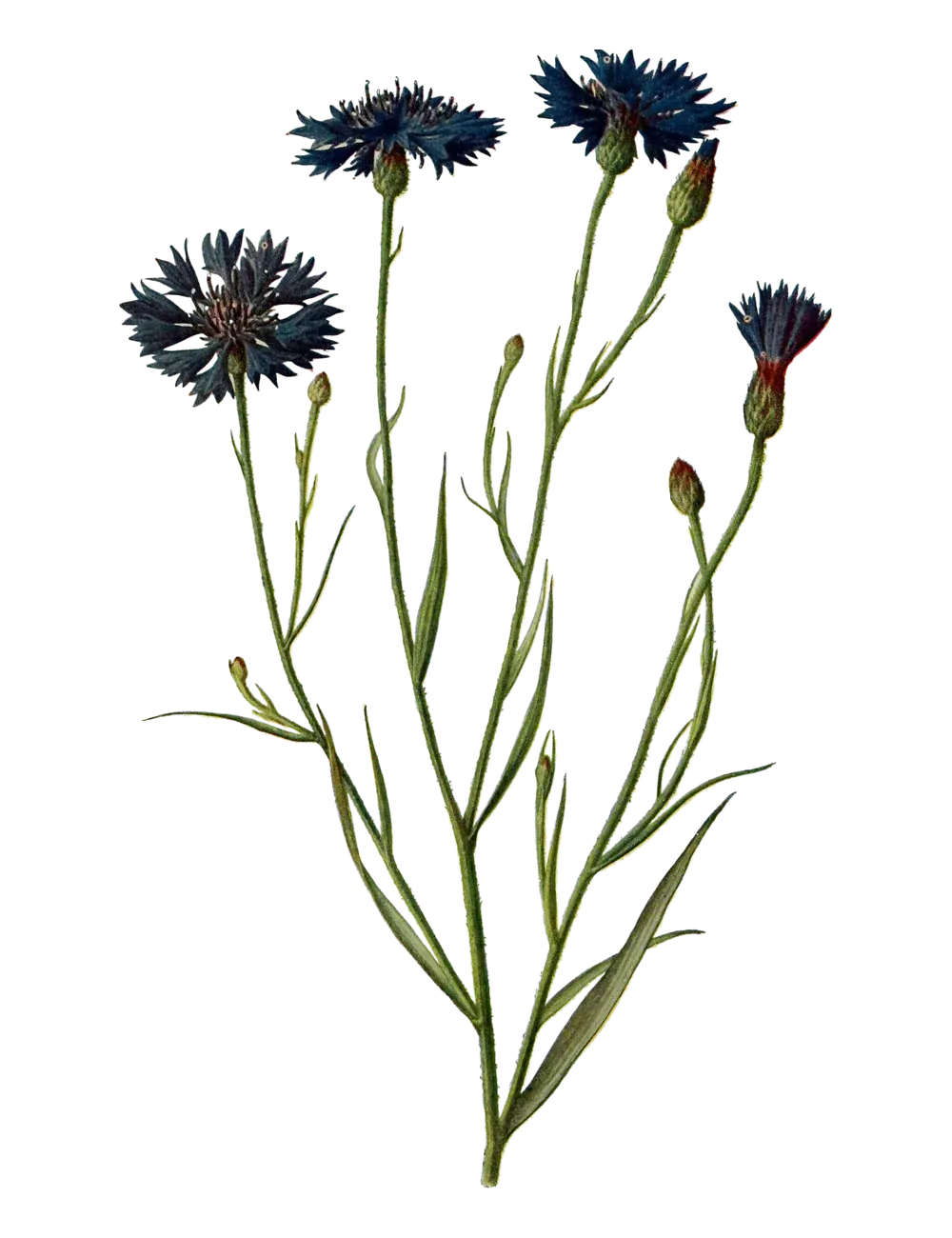
Cut flowers last about 3 to 20 days in a vase, depending on the flower. University trials and extension guides put tulips, anemones, ranunculus and cornflowers at a week or less, peonies and dahlias at about a week, and lilies, sunflowers and hydrangeas at a week or more. Rose varieties range from about 5 to 19 days. Warm rooms, bacteria in the water and ethylene gas from ripening fruit shorten vase life, while flower food and fresh water every two days extend it.
The count starts when the flowers go into water. Each row gives one trial or guide, and some flowers have two. These ranges do not cover the greenery and seasonal fillers in each bouquet.
| Flower | Vase life | How it was measured | Source |
|---|---|---|---|
| Roses | 4.5 to 18.8 days | 38 standard florist rose varieties at 70°F | University of Florida, published 2010 |
| Roses | 10 to 20 days in flower food; all but two varieties 10 days or less in plain water | Roses grown in Colombia | University of Florida, an earlier test |
| Peonies | 8.6 days on average in 2013 and 6 days in 2014; 4 to 14 days for single cultivars | Dozens of cultivars, cut in bud and chilled for a week before testing | University of Alaska Fairbanks |
| Peonies | 3 to 7 days | Garden guide | Michigan State University Extension |
| Tulips | About 5 days for most; 3 or 4 days to more than 6 | 77 cultivars at 74°F | Michigan State University, about 1970 |
| Tulips | 5.5 days | One cultivar, freshly cut | NC State University, published 2019 |
| Ranunculus | Wilting after about 5 days, petals dropping after about 7 | Open flowers in plain water at 68°F | University of Milan, 2023 |
| Sunflowers | 8 to 11 days for most | 17 cultivars over five years of trials, with flower food | NC State University |
| Sunflowers | 7 to 10 days | Garden guide | Michigan State University Extension |
| Lilies | Just under 8 to about 13 days | Eight cultivars in trials in 2012 and 2016; in 2016 flower food generally helped more buds open | NC State University |
| Hydrangeas | 7 to 15 days; about 11 days in plain water | Range from the study; its own freshly cut stems in plain water at 70°F | Ankara University, 2020 |
| Anemones | 3 to 7 days | Garden guide, which advises keeping them cool so they do not wilt early | Michigan State University Extension |
| Dahlias | 5 to 6 days on average | Two cultivars; flower food made no difference | NC State University |
| Dahlias | Up to 10 days | Garden guide | Michigan State University Extension |
| Cornflowers | 5 to 6.8 days, depending on the month they were cut | Fully open flowers in tap water at 72 to 77°F | Eskişehir Osmangazi University, Turkey, 2024 |
- Cut flower vase life trial reports from NC State Extension
- Rose vase life in 38 varieties, from the University of Florida (HortScience, 2010)
- Long-lasting cut rose varieties, from the University of Florida (Special Research Report 416)
- Peony vase life in 2013 and 2014, from the University of Alaska Fairbanks
- Garden flowers for cutting, part 1, from Michigan State University Extension
- Garden flowers for cutting, part 2, from Michigan State University Extension
- Post-harvest life of cut tulips, from Michigan State University
- Ranunculus after harvest, from the University of Milan (Frontiers in Horticulture, 2023)
- Sunflower trials in NC State University's 2007 postharvest report
- Lily trials in NC State University's 2012 postharvest results
- Lily trials in NC State University's 2016 postharvest report
- Hydrangea vase life, from Ankara University (2020)
- Dahlia trials in NC State University's 2002 postharvest results
- Cornflower vase life, from Eskişehir Osmangazi University (PeerJ, 2024)
Each note gives the usual range for the flowers a bouquet is named for, from the table above. The greenery and seasonal fillers vary with the season and are not covered here.
- Garden roses
- Peonies
- Tulips
- Ranunculus
- Sunflowers
- Lilies
- Hydrangeas
- Anemones
- Dahlias
- Chamomile and cornflowers (Meadow Mix)
Garden roses
Cut roses last about 5 to 19 days, depending on the variety. Garden roses were not among the varieties the University of Florida tested.
Eucalyptus is toxic to cats and dogs. The roses are not. Chewing the eucalyptus in this bouquet can cause drooling, vomiting, diarrhea, lethargy and weakness.
Shop Garden RosesPeonies
Peonies last about 6 to 9 days on average. Garden roses replace the peonies outside April to June.
Toxic to cats and dogs. Eating the plant can cause vomiting, diarrhea and lethargy.
Shop Peonies and RosesTulips
Tulips last about 3 to 6 days. Ranunculus replace the tulips outside January to May.
Toxic to cats and dogs. Chewing tulips can cause vomiting, diarrhea and drooling. The bulb holds the most toxin, but keep the cut stems and flowers out of reach too.
Shop Spring TulipsRanunculus
Ranunculus last about 5 to 7 days in plain water. The University of Milan authors note that flowers in the ranunculus family, which includes anemones, appear highly sensitive to ethylene, a gas that ripening fruit gives off.
Toxic to cats and dogs. Chewing ranunculus can cause vomiting, diarrhea, drooling, mouth sores, loss of appetite, lethargy and a wobbly walk.
Shop RanunculusSunflowers
Sunflowers last about 8 to 11 days.
Sunflowers are not toxic to cats or dogs.
Shop SunflowersLilies
Lilies last about 8 to 13 days.
Shop White LiliesCan cause fatal kidney failure in cats
The lilies in the White Lilies bouquet are true lilies (Lilium candidum). The ASPCA list gives this warning for true lilies (Lilium) and daylilies (Hemerocallis). Every part is poisonous to cats, including the pollen and the vase water. A bite of a petal or pollen licked off fur is enough. If a cat may have touched a lily, take it to a vet at once.
Hydrangeas
Hydrangeas last about 7 to 15 days. A hydrangea usually ends by wilting, once its stem stops taking up enough water.
Toxic to cats and dogs. Hydrangeas contain a compound that can release cyanide. Eating them usually upsets the stomach, with vomiting, diarrhea and lethargy; cyanide poisoning is rare.
Shop HydrangeaAnemones
Anemones last about 3 to 7 days, so keep them cool. This bouquet mixes them with ranunculus, which last about 5 to 7 days.
Ranunculus is toxic to cats and dogs. This bouquet mixes anemones with ranunculus, which can cause vomiting, diarrhea, drooling, mouth sores, loss of appetite, lethargy and a wobbly walk. The ASPCA list does not cover anemones, so keep them out of reach too.
Shop AnemonesDahlias
Dahlias last about 5 to 10 days. Garden roses replace the dahlias outside July to October.
Toxic to cats and dogs. Chewing them can cause a mild stomach upset, and the plant can mildly irritate skin.
Shop DahliasChamomile and cornflowers (Meadow Mix)
Cornflowers last about 5 to 7 days. These figures do not cover the chamomile in this bouquet.
Chamomile is toxic to cats and dogs. The cornflowers are not. Chewing the chamomile can cause vomiting, diarrhea, loss of appetite and allergic reactions, and touching it can irritate skin.
Shop Meadow Mix
Pet warnings follow the ASPCA Animal Poison Control plant list. If a pet chews a plant marked toxic here, or one you cannot name, call your vet.
Pet toxicity from the ASPCA Animal Poison Control plant list
These ranges come from trials set up to show how long a flower can last. NC State University's trials process stems quickly, stand one stem in each jar and keep them a little cooler than a typical home in summer. Its researchers estimate that for some flowers this adds one to several days compared with commercial handling, so a flower that lasts 6 to 8 days in their tests would probably last 5 to 6 days once handled commercially.
Crowding shortens vase life. In the same 2006 trials, a sunflower alone in a jar lasted 15 days, and the same variety lasted about 13 days with 3, 5 or 10 stems to a jar. The researchers add that one or two flowers that foul the water can shorten the life of everything in a bouquet.
Time and temperature before the vase matter too. In NC State tests, two tulip varieties lost about a day of vase life for every three weeks in cold storage, and a third fell from 5.5 days to 2.8 after six weeks. In University of Florida tests, some rose varieties stored for a week at 49°F lasted up to 8 fewer days than the same roses stored at 35°F.
We do not promise a set number of days. If a flower is unavailable, it may be replaced with another, and the substitute has its own vase life.
Mississippi State University Extension's florist manual names these as the main reasons cut flowers die early.
- Bacteria grow at the cut end of the stem and block it, so the flower wilts at the neck and petals. At room temperature, bacteria overcome the acid in flower food after about three days.
- Ethylene is an odorless gas that ages flowers. Ripening fruit, dying flowers, decaying leaves, cigarette smoke and exhaust fumes all give it off.
- Florists store most flowers at 33 to 38°F, because cold slows bacteria and slows the rate at which a flower uses up its stored sugar. A warm room has the opposite effect.
- Flowers wilt when they lose water faster than the stem can take it up. A blocked or damaged stem end, or moving air from a fan or vent, tips that balance.
- Cut flowers can run short of sugar, which gives them the energy to open. Flower food supplies it, along with a biocide that keeps bacteria in check.
The Professional Florist's Manual from Mississippi State University Extension
- If a flower food packet came with the flowers, use it, mixed as its label says. According to Mississippi State University Extension, flower food holds sugar to feed the flowers, citric acid to help water move up the stem and a biocide to keep bacteria down.
- Do not add sugar on its own. In the 2020 Ankara University hydrangea study, sugar in plain water shortened vase life, and the authors put it down to microbes feeding on the sugar and blocking the stems.
- Change the water every two days, top it up in between, and recut the stems to remove tissue that no longer carries water.
- Keep the vase somewhere cool, out of sun and wind, and away from doors and heating or cooling vents.
- Flowers that are just beginning to open last longer than ones already in full bloom.
Selecting and caring for cut flowers from NC State Extension
A potted plant keeps its roots and goes on growing, so with the right light and water it lasts far longer than any cut flower.
See also
- How to keep cut flowers fresh
- All flower guides
- All bouquets
- All potted plants
- Delivery and substitutions